
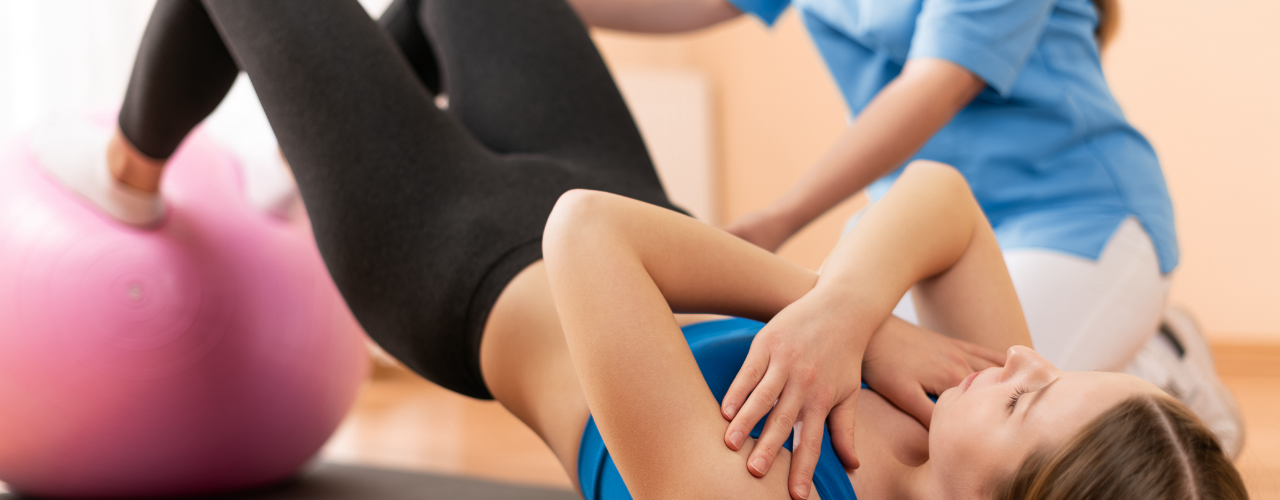


Pelvic pain and pelvic floor dysfunction is the primary focus of Beyond Therapy and Wellness in Bedford, TX. Pelvic floor dysfunction can be a result of the pelvic floor being too tight or too weak, or in some, a combination of both. We are passionate about helping people restore their pelvic floor and live life!
How does pelvic floor physical therapy work?
If you are suffering from occasional or chronic pelvic pain, urinary incontinence, urinary hesitation, neurogenic bladder, and or constipation, physical therapy can help. Pelvic pain and incontinence can occur for a vast number of reasons, and pelvic floor rehabilitation can help reduce or eliminate the pain and symptoms you are experiencing. Many patients are able to reduce or avoid medications with pelvic floor therapy or avoid surgery. Your therapist will work with your physician or other healthcare provider to create the most effective program for you.
We are able to help indivuduals experiencing the following:
- Pregnancy related pain
- Postpartum pelvic floor changes
- Diastasis Recti
- Postmenopausal changes
- Pelvic Organ Prolapse
- Urinary or fecal incontinence
- Pain with sexual activity
- Pain associated with periods
- Pain associated with endometriosis
- Abdominal Pain
- Chronic pelvic pain
- Chronic Prostatitis
- Children with dysfunctional or painful urination
- Children with bladder or bowel leakage
- Constipation
- Vaginismus
- Vulvodynia
- Vestibulitis
- Interstitial Cystitis
What does a pelvic floor treatment plan look like?
Or goal is to meet you where you are and create a program that will help you meet your gaols. At your initial appointment, you will participate in a physical evaluation and review of medical history. Your therapist will discuss doing an internal pelvic exam that specifically assesses the pelivc floor muscle tone, strength, power, coordination, and endurance. If pelvic exams are painful, don’t worry, our therapists are specifically trained to work only to a person’s tolerance while still being productive.
Treatment components may include:
- Education (patient handouts and thorough information concerning your condition to take home)
- Bladder training
- Neuro retraining of the pelvic floor, bladder and bowel
- Pelvic Floor Biofeedback
- Pelvic floor muscle retraining
- Muscle relaxation techniques
- Restoring correct breathing patterns
- Pelvic floor muscle strengthening
- Soft tissue mobilization including trigger ponint release, myofascial release, and massage
- Proper toileting techniques
- Progressive Dilator training
- Internal E-stim or External E-stim